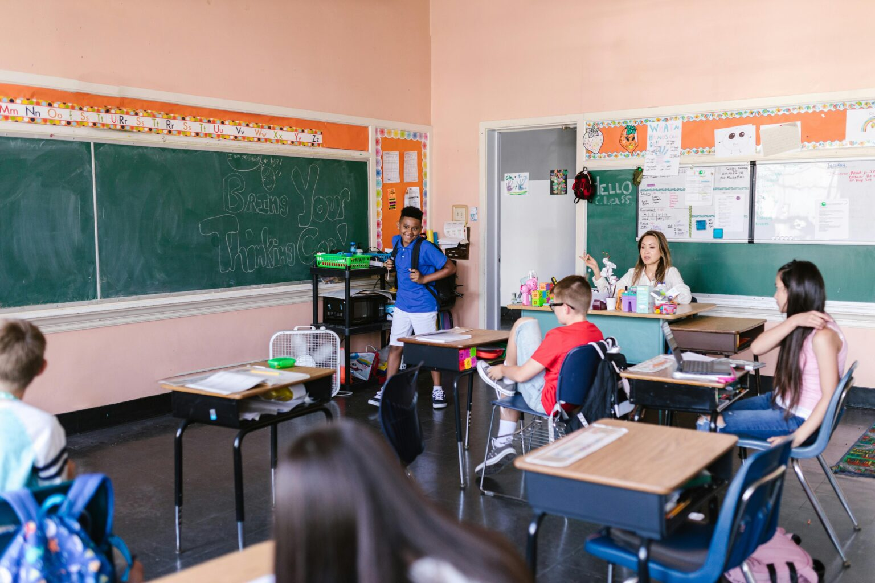
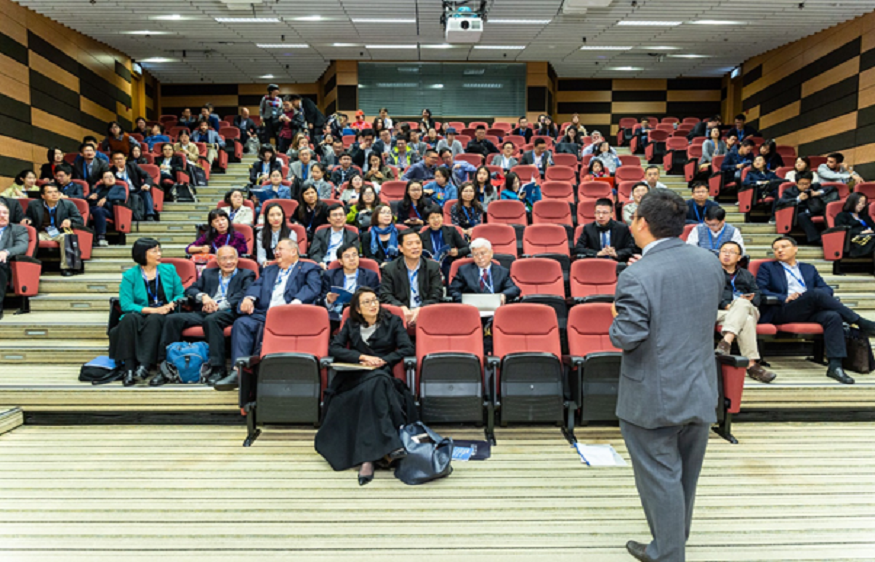
When people speak about educational excellence, the conversation often begins inside the classroom. They talk about inspiring teachers, bright students, modern teaching methods, and strong academic results. These are all important. But behind every successful institution, there is another force at work. It is often quieter, less visible, and deeply powerful.
It is leadership.
A school does not become respected only because of one good lesson or one excellent result. It grows through vision, planning, culture, values, systems, and consistent decision-making. These elements are shaped by leaders who work beyond the classroom to create an environment where teachers can teach well, students can learn with confidence, and families can trust the institution.
In 2026, educational success is no longer measured only by exam performance. Schools are now expected to build future-ready learners, support wellbeing, embrace inclusion, use technology wisely, communicate with parents, and prepare students for an uncertain world. This makes the role of school leaders more important than ever.
Leadership Is the Foundation of School Culture
A strong school culture does not happen by chance. It is built through clear values, daily habits, and shared expectations. Leaders set the tone for how people behave, communicate, solve problems, and respond to challenges.
When leadership is strong, teachers feel supported. Students feel safe. Parents feel informed. Staff members understand their roles. Everyone begins to move in the same direction.
A principal, director, head of department, academic coordinator, or senior administrator may not always stand in front of a classroom every day. Yet their decisions influence every classroom. The timetable they approve, the training they encourage, the policies they design, and the feedback systems they create all shape the learning experience.
This is why recognition platforms, such as global education awards for school leaders, matter. They bring attention to the people whose decisions quietly shape the success of entire learning communities.
The Best Leaders Build People, Not Just Institutions
Institutional success is not only about buildings, rankings, facilities, or technology. It is about people. A great leader knows how to develop teachers, encourage students, guide parents, and strengthen teams.
Teachers perform better when they feel trusted and valued. Students grow when school systems are designed around their needs. Parents support the institution when communication is transparent and respectful. Staff members stay motivated when their work has meaning.
Educational leaders understand this human side of success.
They are not only managers of rules and routines. They are builders of confidence, culture, and shared purpose. They notice when teachers need support. They create space for professional growth. They encourage innovation without making staff feel overwhelmed. They help teams handle change without losing direction.
Behind every institution that performs well year after year, there is usually a leader who knows how to bring out the best in others.
Modern Education Needs Adaptive Leadership
Schools today face challenges that did not exist in the same way a generation ago. Artificial intelligence, hybrid learning, student wellbeing, digital safety, inclusive education, climate awareness, skill-based learning, and global mobility have all changed expectations.
Parents are more informed. Students are more exposed to technology. Teachers need continuous upskilling. Institutions are under pressure to remain relevant while staying rooted in strong educational values.
This requires adaptive leadership.
An adaptive leader does not hold on blindly to old systems. At the same time, they do not chase every new trend. They evaluate what works, what serves learners, and what aligns with the institution’s long-term goals.
For example, introducing digital tools is not enough. Leaders must ensure that technology improves learning instead of creating a distraction. Supporting inclusion is not only about policies. It requires teacher training, classroom adaptation, parent communication, and a culture of respect.
This kind of leadership demands patience, vision, and courage.
Administrators Are Silent Drivers of Excellence
School administrators often work behind the scenes. Their contribution may not always receive public attention, yet their role is essential to institutional success.
They manage admissions, operations, compliance, communication, documentation, student services, staff coordination, and countless daily processes. When these systems work smoothly, the school feels organised. When they fail, the entire institution feels the pressure.
A well-run school is not only academically strong. It is efficient, responsive, safe, and trustworthy. This is where administration becomes a form of leadership.
The growing visibility of global education awards for school administrators reflects an important shift. The education sector is beginning to recognise that excellence is not created by academic teams alone. It is also created by operational teams who make sure that learning can happen without disruption.
From managing resources to supporting parent engagement, administrators create the structure that allows educators to focus on teaching.
Recognition Inspires Higher Standards
Recognition is not only about applause. It is about setting examples.
When school leaders and administrators are honoured for their work, it sends a message to the wider education community. It says that vision matters. Ethical decision-making matters. Innovation matters. Team development matters. Student well-being matters. Institutional impact matters.
Awards can also encourage reflection. They make leaders ask important questions. What makes this institution different? How has leadership improved learning outcomes? What systems have supported teachers? How has the school responded to change? What impact has been created beyond results?
This reflection can strengthen future growth.
International recognition also creates a platform for knowledge sharing. Leaders from different countries and education systems can learn from each other’s experiences. They can discover new ideas, compare challenges, and celebrate meaningful progress.
This is why international school leadership awards are valuable. They recognise excellence, but they also create conversations around what strong leadership should look like in a changing world.
Excellence Is Measured in More Than Results
Academic results remain important. However, they do not tell the full story of a school.
A school may have high scores but poor student well-being. It may have excellent facilities, but weak teacher morale. It may have modern technology, but limited creativity. It may have a strong reputation but little inclusion.
True excellence is more balanced.
It can be seen in how a school treats struggling learners. It appears in how leaders support teachers under pressure. It shows how quickly concerns are addressed. It is reflected in parent trust, staff retention, student confidence, and community engagement.
Strong leaders understand that education is not a race for numbers alone. It is a long-term responsibility.
They build systems that protect quality even when circumstances change. They create policies that serve people, not just paperwork. They think beyond short-term success and focus on sustainable institutional growth.
Leadership Behind Innovation
Every meaningful innovation in education needs leadership behind it.
A new curriculum, assessment model, digital platform, inclusion policy, teacher development programme, or student wellbeing initiative does not succeed only because it sounds impressive. It succeeds when leaders plan it carefully, communicate it clearly, and support people through the transition.
Innovation without leadership can create confusion. Leadership without innovation can create stagnation. Schools need both.
The most effective education leaders know how to balance tradition and change. They respect proven practices but remain open to new approaches. They listen to teachers, involve teams, monitor outcomes, and make adjustments when needed.
This balance is what helps institutions stay relevant without losing their identity.
Why Honouring Leaders Matters Now
The education sector often celebrates visible achievements. A student wins a competition. A teacher receives appreciation. A school earns strong results. These moments deserve recognition.
But leaders behind institutional success also deserve to be seen.
They carry responsibility for decisions that affect hundreds or even thousands of lives. They handle pressure from parents, boards, regulators, staff, and students. They make difficult choices, solve complex problems, and often work long before and after the school day.
Honouring them is not only a gesture of appreciation. It is a way of raising the value of leadership in education.
When leaders are recognised, more educators may aspire to grow into leadership roles. More institutions may invest in leadership development. More communities may understand that a successful school is built through collective effort, not individual brilliance alone.
Bottom Line
Educational excellence does not begin and end inside classrooms. Behind every successful institution are people who create the culture, systems, and confidence needed for learning to flourish.
As education continues to evolve, honouring these leaders becomes essential. Platforms such as global education awards for school leaders help recognise the vision and dedication that often remain unseen but deeply felt across school communities.
Because true institutional success is not built by chance. It is built by leaders who believe that education can transform lives far beyond the classroom.